

CBD Vs. CBN Vs. CBG: What's The Difference?
Luke Marchie
CBD Vs. CBN Vs. CBG: What's The Difference?
In the vast world of hemp, there's more than meets the eye.
Although THC may be the most recognized cannabinoid out there, thanks to its psychoactive properties, a multitude of other cannabinoids reside within the cannabis plant, each with its own unique set of characteristics.
Three such cannabinoids that have been gaining significant traction in recent years are CBD, CBG, and CBN.
Read on as we delve into the ever-expanding world of these three popular cannabinoids, explore where they come from, and explain how they differ.
Unveiling the Cannabinoid Trinity: CBD, CBG, and CBN
Cannabinoids are a class of chemical compounds naturally produced by the hemp plant. They interact with the body's endocannabinoid system, a network of receptors involved in regulating various physiological functions, including mood, sleep, and appetite.

While THC is the cannabinoid responsible for the psychoactive effects (the "high") associated with cannabis use, CBD, CBG, and CBN are non-intoxicating, meaning they won't produce a high.
Let's explore each cannabinoid in more detail:
- CBD (Cannabidiol): CBD has emerged as the most widely recognized and researched cannabinoid among the three. Research is ongoing, and there is still much to learn about CBD.
- CBG (Cannabigerol): CBG, often dubbed the "mother cannabinoid," serves as the foundation for many other cannabinoids, including CBD and THC. It acts as a precursor molecule, transforming into these other compounds as the cannabis plant matures. Research on CBG is still in its early stages.
- CBN (Cannabinol): CBN forms naturally over time as THC degrades. This "aged cannabinoid" has found a place in many evening routines. While research is ongoing, some studies suggest that CBN may interact with the body's sleep-wake cycle, though more research is needed.
Understanding the Distinctions: CBD vs. CBN vs. CBG
While CBD, CBG, and CBN are all non-intoxicating cannabinoids found in the hemp plant, they each have unique properties. Understanding these distinctions can help you choose the right product for your routine.
Here's a breakdown of the key differences:
- Availability: Currently, CBD is the most readily available and researched cannabinoid of the three. You'll find it in a wide range of CBD products, from oils and tinctures to topicals and more. CBG and CBN are becoming increasingly available, but they might be harder to find and may come at a higher price point.
- Research: CBD has the most extensive body of research of the three. Research on CBG and CBN is still in its early stages, paving the way for a deeper understanding of these compounds.
As research into these fascinating molecules progresses, we can expect to learn more about how they work on their own and together, including the idea of an "entourage effect" between cannabinoids.

The Future of CBD, CBG, and CBN
The journey of understanding CBD, CBG, and CBN is just beginning. Here's why these non-intoxicating cannabinoids are worth watching:
- The Entourage Effect: Preliminary research suggests a phenomenon called the "entourage effect." This concept proposes that different cannabinoids may work together as part of a whole-plant extract.
- An Easy Daily Routine: With the growing interest in natural approaches to wellness, CBD, CBG, and CBN are an easy addition to a daily routine.
Ready to explore?
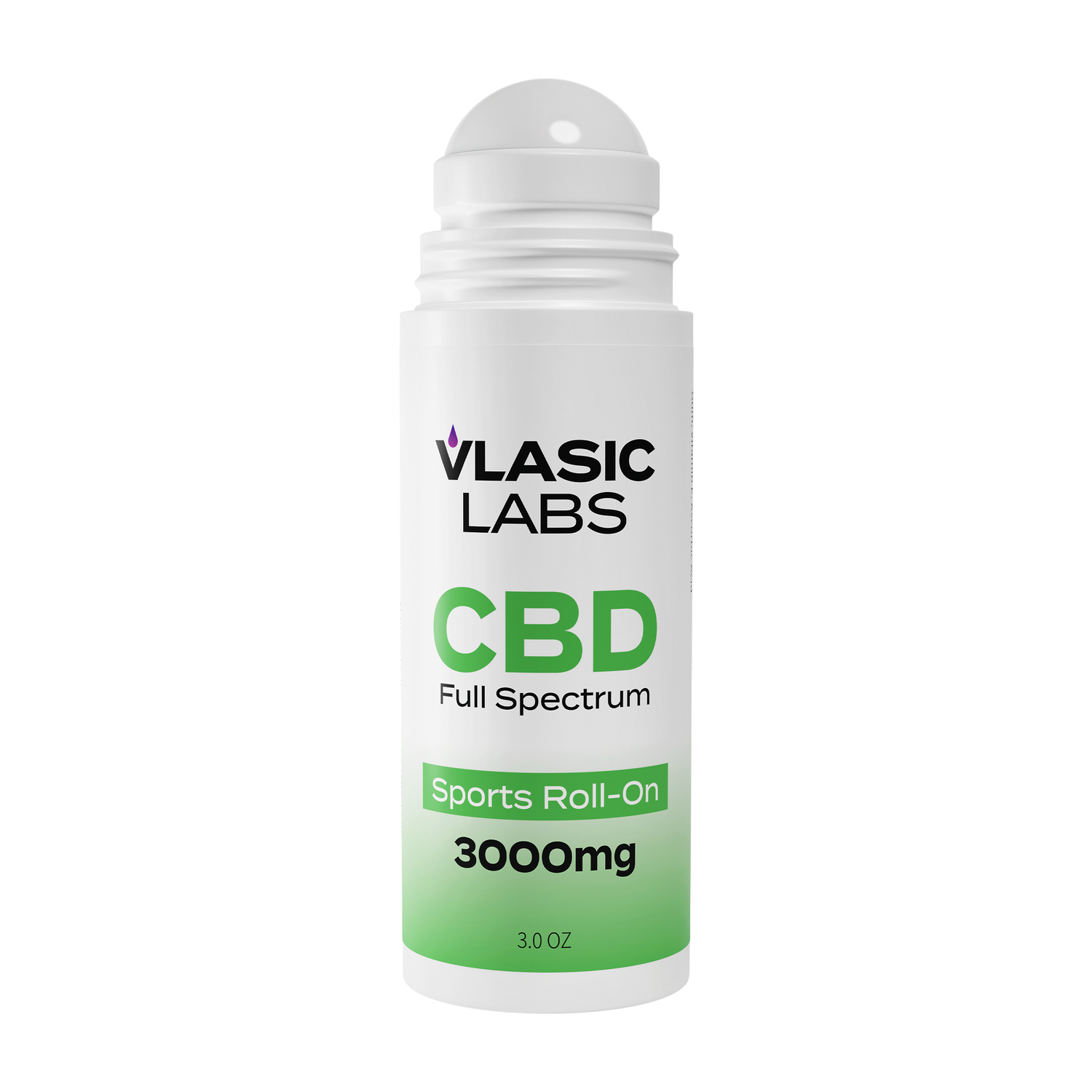
The future of cannabinoid research is bright, and Vlasic Labs is excited to be part of it. We offer a wide range of high-quality CBD, CBG, and CBN products, including tinctures, topicals, and pet chews.
Explore our product selection today and find the formats that fit your routine.